This is where we share our notes, articles, book reviews, and anything else that might be on our mind. Feel free to look around and stay a while! 🙂
The Feedback Loop Shift
Moving from hands-on individual contribution to defining what to build means trading short, frequent feedback loops for longer, more abstract ones. Here are my thoughts on how that shift changes the day-to-day feel of work.
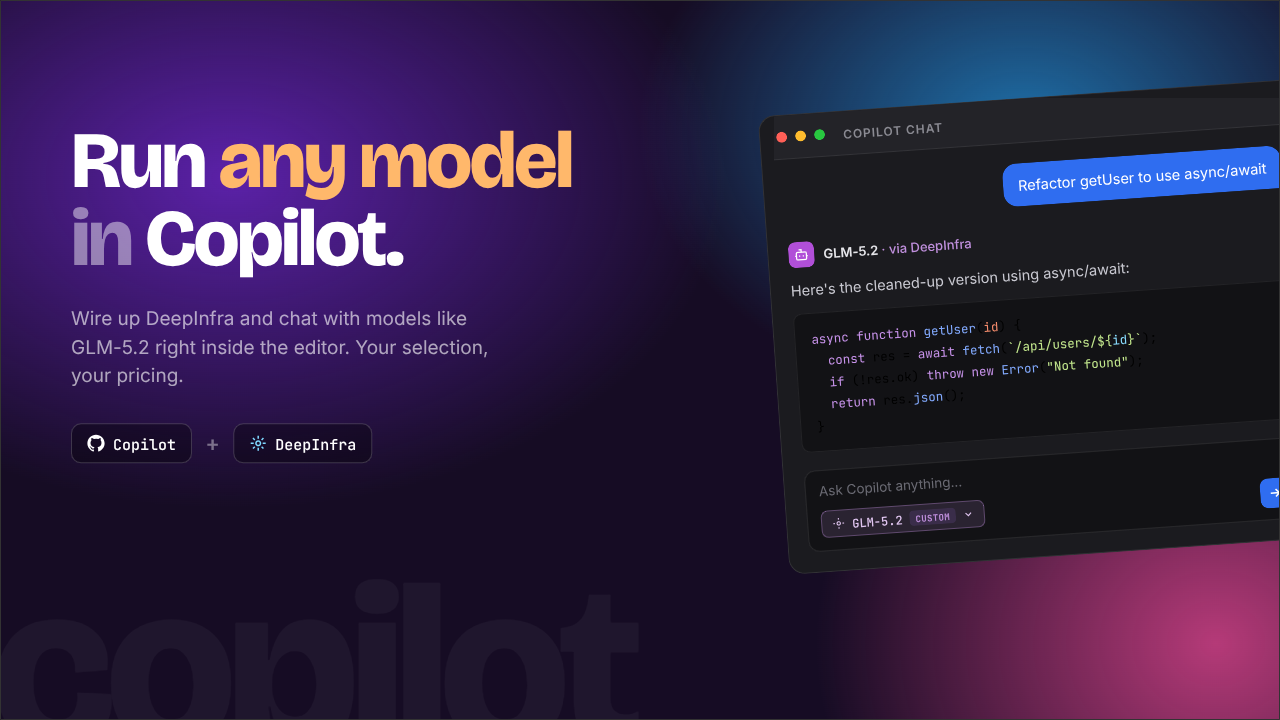
How to Use Custom Providers Like DeepInfra with GitHub Copilot
GitHub Copilot is a great coding harness. Combining it with a custom provider like DeepInfra can give you access to a larger model selection and use it as an alternative to GitHub’s pricing model. This article walks through how to set up a custom provider and use it with GitHub Copilot.

Over the Hill (Beta) by Funselektor
A look at the public beta of Funselektor’s Over the Hill. This is a game that combines the spirit of Spintires with the charm of Big Walk. The car physics are satisfying and the photo mode is fun, though there are several rough edges to iron out before release.

Software Developers Don't Write Code Anymore
Software developers barely write code by hand anymore. This article explores a framework for thinking about which tasks in any job are most likely to be reshaped by AI, using three dimensions: knowledge type, delivery constraints, and accountability.

Send Data to a Port Using TCP or UDP Without NetCat
Learn how to send data to a specific port using TCP or UDP on Linux without using NetCat.
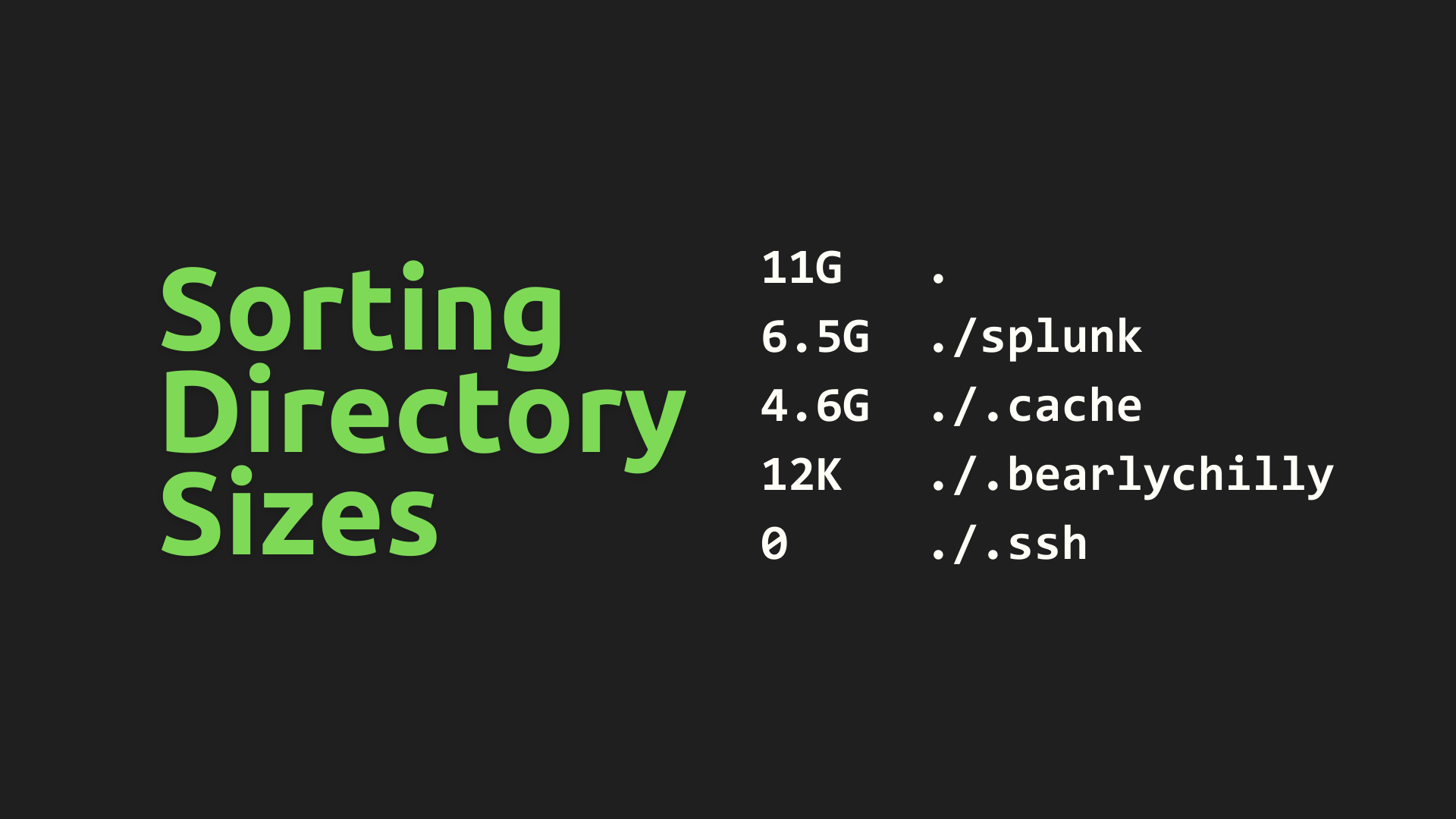
How to List Directory Sizes in Order on Linux
A simple guide to using the du command to list directory sizes in order on Linux.
Setting Up Private Internet Access (PIA) VPN with OpenVPN on Linux CLI
A step-by-step guide to setting up Private Internet Access VPN using OpenVPN on Linux via the command line interface (CLI).

Tampermonkey Script - Toggle to Edit Any Web Page
A simple Tampermonkey script that lets you quickly toggle text-editing mode on any webpage for quick UI mockups and text changes.
Building Splunk Searches Using AI (GitHub Co-Pilot)
Building Splunk Searches Using AI (GitHub Co-Pilot) A lot of time spent writing Splunk searches goes into formatting, syntax, and remembering commands or patterns for your SPL. With the help of generative AI, specifically GitHub Co-Pilot, we can significantly reduce the time spent writing searches. It also makes it easier to iterate quickly on existing searches and serves as great notes for later. I’ve edited this article about five times now, and finding the “perfect” balance of detail has been challenging. I’ll keep it simple. I think this approach will work for 90% of people starting with Co-Pilot and Splunk Searches. I think you should be able to identify more complex use cases as you get more comfortable with the tool. ...
Transparent Huge Pages (THP) in Linux and How it Affects Splunk
Transparent Huge Pages (THP) is a Linux kernel feature designed to optimize memory management, but it can significantly impact the performance of certain applications. This article explores the benefits and challenges of THP, with a particular focus on its effects on Splunk performance and how to configure it appropriately for optimal system operation.