
Send Data to a Port Using TCP or UDP Without NetCat
Learn how to send data to a specific port using TCP or UDP on Linux without using NetCat.
Learn how to send data to a specific port using TCP or UDP on Linux without using NetCat.
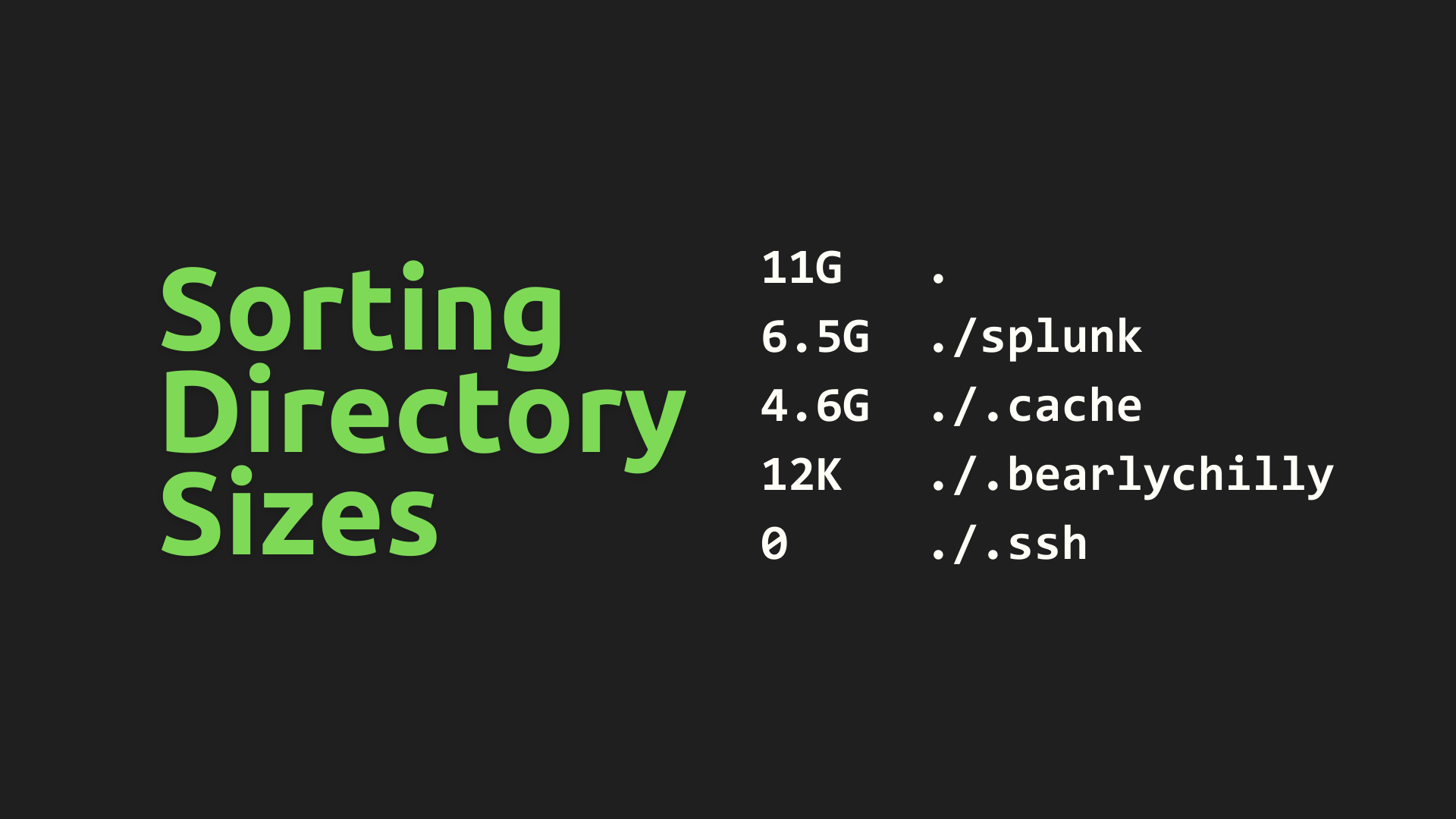
A simple guide to using the du command to list directory sizes in order on Linux.

A step-by-step guide to setting up Private Internet Access VPN using OpenVPN on Linux via the command line interface (CLI).

Transparent Huge Pages (THP) is a Linux kernel feature designed to optimize memory management, but it can significantly impact the performance of certain applications. This article explores the benefits and challenges of THP, with a particular focus on its effects on Splunk performance and how to configure it appropriately for optimal system operation.

What do you do when you want to reindex logs that have already been indexed by Splunk? This article shows you how to use the ‘fishbucket’ method to reindex your data, whether you indexed it into the wrong index or forgot to create an index before applying your inputs.conf.

Don’t just give it root access! Process of onbaording Linux logs into Splunk using ACLs.

A step-by-step guide to setting up Splunk on Windows using WSL with a free Splunk license. We also discuss the different types of Splunk licenses. This guide accompanies the video tutorial on my YouTube channel.
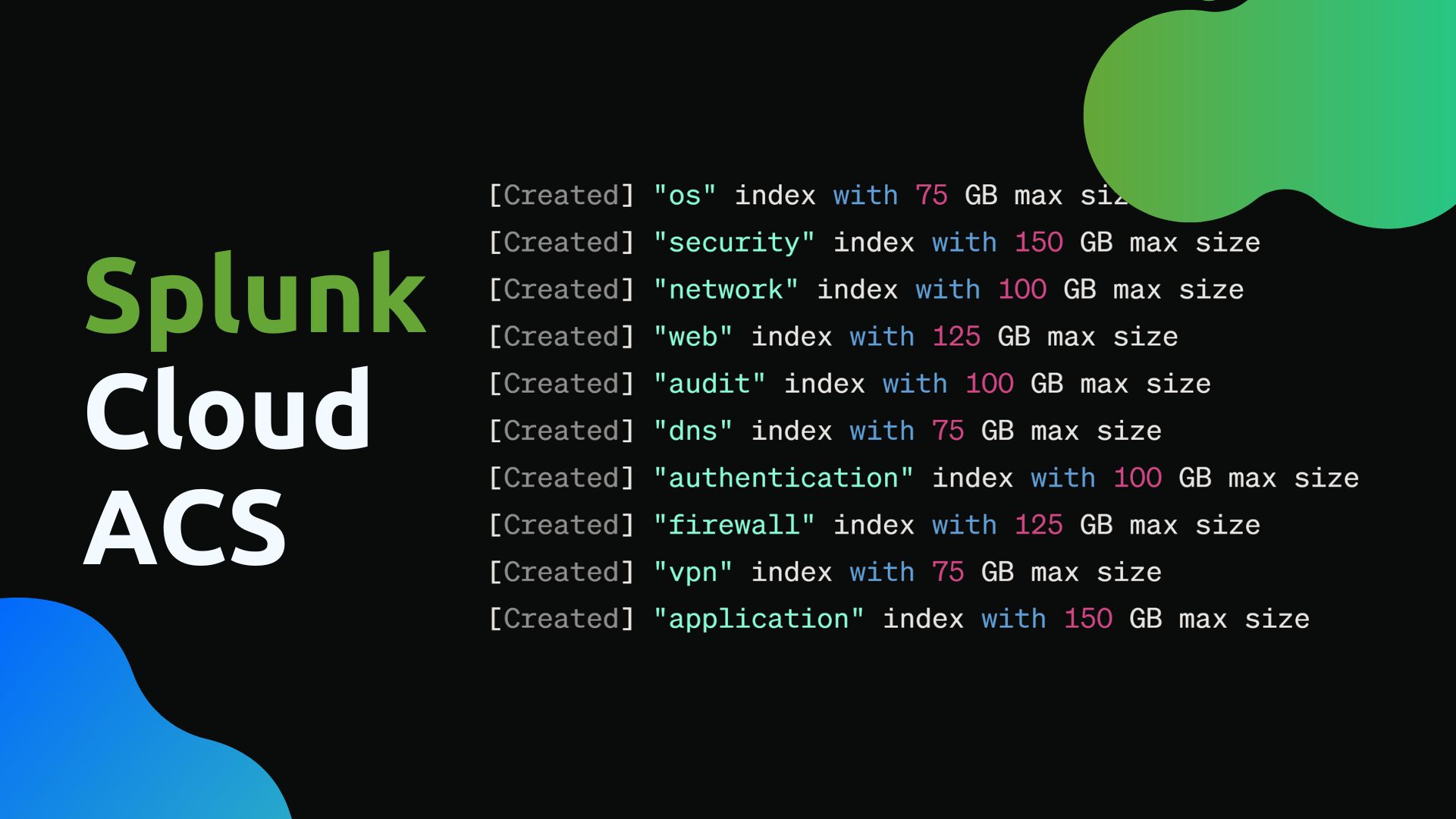
Splunk Admin Config Service (ACS) API is a super powerful tool that allows you to manage your Splunk Cloud instance programmatically. In this post, I’ll showcase some use cases for Splunk Cloud’s ACS API as well as provide some real-world examples.

Let’s take a look at how to automatically delete old logs when using Syslog-NG. This doesn’t just apply to Syslog-NG, but it’s a common use case.
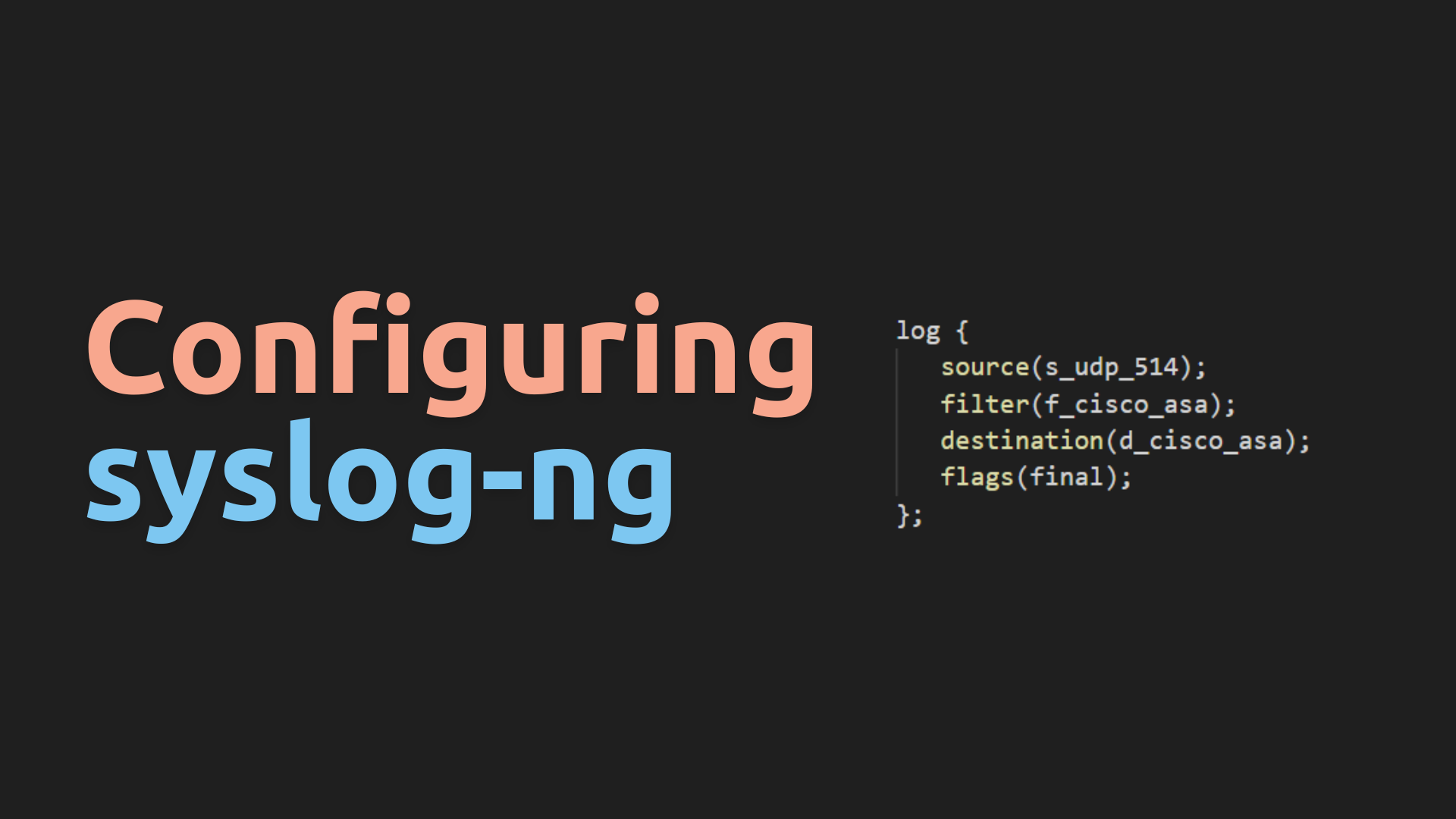
In this guide, we will walk you through the process of creating a Syslog-NG configuration that caches and organizes syslog data on disk. Additionally, we will delve deep into the structure of the config, examining each option we utilize. Finally, we will explore configuring ‘catch-all’ entries.